Introduction
Oil pulling is an ancient Ayurvedic practice that has gained popularity as a natural method for improving oral health. Advocates claim it removes toxins, whitens teeth, and reduces bad breath. But does science back these claims? Let’s explore what oil pulling is, how it works, and what research says about its effectiveness.
What Is Oil Pulling?
Oil pulling involves swishing a tablespoon of oil (usually coconut, sesame, or sunflower oil) in your mouth for 10-20 minutes before spitting it out. This process is believed to:
- Remove bacteria and toxins (Asokan et al., 2009)
- Improve gum health (Peedikayil et al., 2016)
- Reduce plaque buildup (Singh et al., 2011)
- Freshen breath (Sharath et al., 2017)
Does Science Support Oil Pulling?
While many personal testimonials praise oil pulling, scientific studies offer mixed results. Here’s what research has found:
- Reduces Harmful Bacteria – A study published in the Indian Journal of Dental Research found that oil pulling with sesame oil significantly reduced Streptococcus mutans, a bacteria linked to cavities (Asokan et al., 2008).
- Improves Gum Health – A 2017 study in the Journal of Traditional and Complementary Medicine showed that coconut oil pulling reduced gingivitis and plaque levels (Peedikayil et al., 2016).
- Comparable to Mouthwash – A 2011 study in the Journal of Oral Health and Community Dentistry concluded that oil pulling was as effective as chlorhexidine mouthwash in reducing bad breath-causing bacteria (Singh et al., 2011).
- Potential Anti-Inflammatory Benefits – Research suggests that coconut oil contains anti-inflammatory and antimicrobial properties that may support overall oral health (Shanbhag, 2017).
- Lack of Large-Scale Studies – Despite positive small-scale studies, more robust clinical trials are needed to confirm oil pulling’s long-term benefits.
Potential Benefits of Oil Pulling
- Reduces harmful oral bacteria (Asokan et al., 2008)
- May improve gum health and fight plaque (Peedikayil et al., 2016)
- Can help with bad breath (Singh et al., 2011)
- Natural and chemical-free alternative to mouthwash (Shanbhag, 2017)
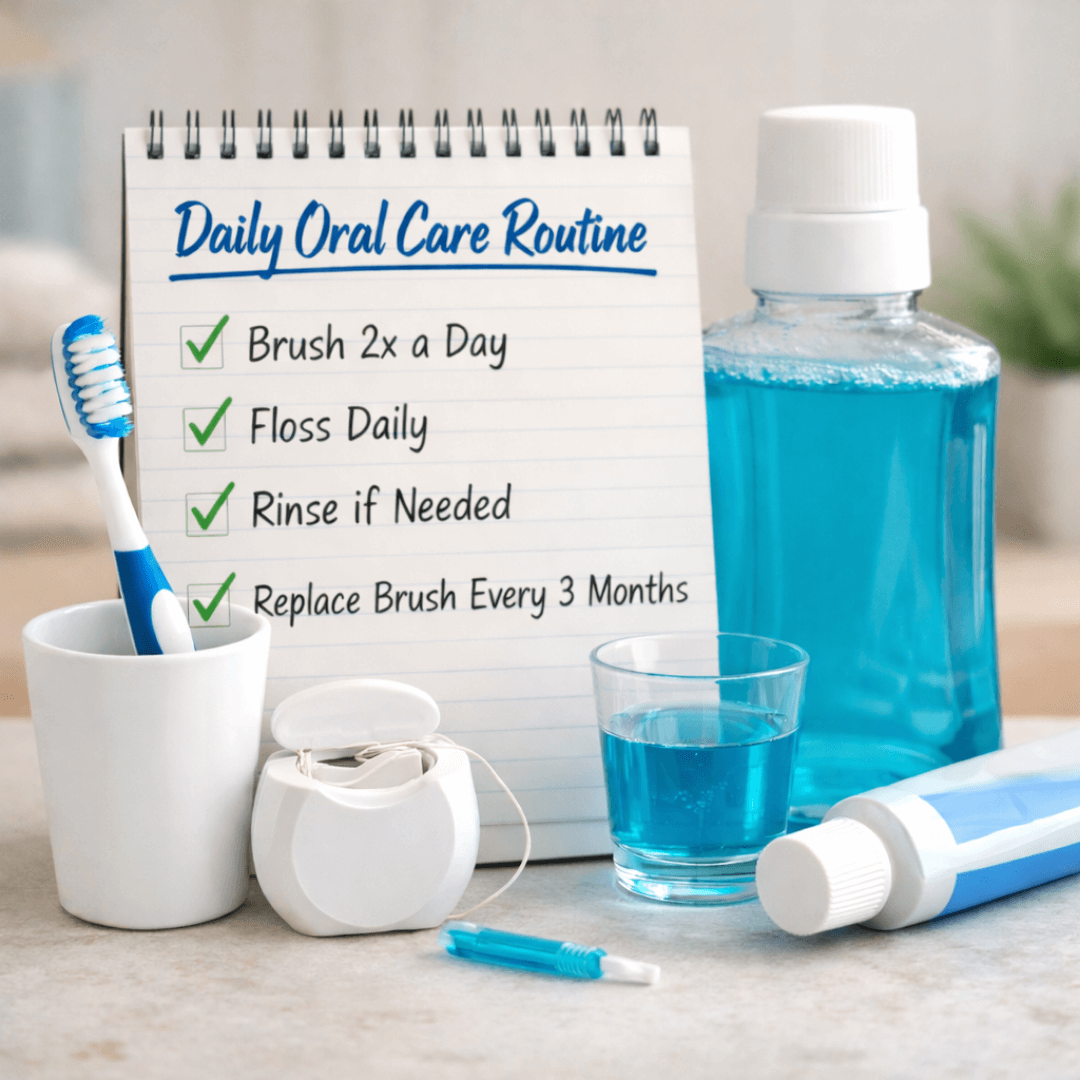
- May support overall oral hygiene when combined with brushing and flossing
Potential Risks & Limitations
- Not a substitute for brushing and flossing
- Can cause jaw fatigue if done too long
- May trigger gag reflex in some people
- Insufficient research on long-term effects (Sharath et al., 2017)
How to Practice Oil Pulling
- Take one tablespoon of coconut, sesame, or sunflower oil.
- Swish it around your mouth for 10-20 minutes (do not swallow).
- Spit it out into a trash can (avoid sinks to prevent clogging).
- Rinse your mouth with warm water.
- Brush your teeth as usual.
Final Verdict: Should You Try Oil Pulling?
Oil pulling may offer some oral health benefits, particularly in reducing bacteria and improving gum health. While it’s not a replacement for traditional dental care, it can be a useful addition to a well-rounded oral hygiene routine. If you’re interested, try incorporating it into your morning routine and see how it works for you!
Consult your dentist before trying oil pulling, especially if you have existing dental conditions.