Introduction
Recently, “dental detox” has gained popularity as a holistic approach to oral health. Proponents claim that detoxing the mouth can remove toxins, improve gum health, and even impact overall wellness. But is there any scientific evidence behind these claims? In this blog, we’ll explore what dental detoxes are, examine the research, and determine if they are fact or fiction.
What Is a Dental Detox?
A “dental detox” typically refers to natural methods intended to remove toxins from the mouth and improve oral health. Common detox techniques include:
- Oil Pulling – Swishing oil (usually coconut or sesame oil) to reduce bacteria (Asokan et al., 2009).
- Activated Charcoal Toothpaste – Used for whitening and toxin removal (Brooks et al., 2017).
- Herbal Mouthwashes – Antibacterial rinses with ingredients like tea tree oil and clove (Saddiq & Khawaja, 2010).
- Alkalizing Diets – Avoiding acidic foods to balance oral pH and reduce decay risk (Johansson et al., 2002).
Does Science Support Dental Detoxes?
While holistic practices can support oral health, many claims about dental detoxing lack robust scientific backing. Let’s examine what research has to say:
- Oil Pulling – Some studies show oil pulling can reduce oral bacteria, but it is not more effective than traditional mouthwash (Peedikayil et al., 2016).
- Activated Charcoal – Research suggests that charcoal toothpaste may be too abrasive, potentially damaging enamel with long-term use (Brooks et al., 2017).
- Herbal Mouthwashes – Some herbal rinses have antimicrobial properties, but they should complement, not replace, fluoride-based products (Saddiq & Khawaja, 2010).
- Diet & Oral pH – While diet impacts oral health, there is no conclusive evidence that an “oral detox” diet prevents cavities more effectively than fluoride toothpaste and proper brushing (Johansson et al., 2002).
Potential Benefits of Dental Detoxing
- Encourages mindful oral hygiene habits
- Reduces exposure to some artificial chemicals
- Can complement traditional dental care
- Some natural remedies may have antimicrobial effects
Risks & Limitations
- Lack of FDA or ADA approval for many detox methods
- Activated charcoal may damage enamel over time
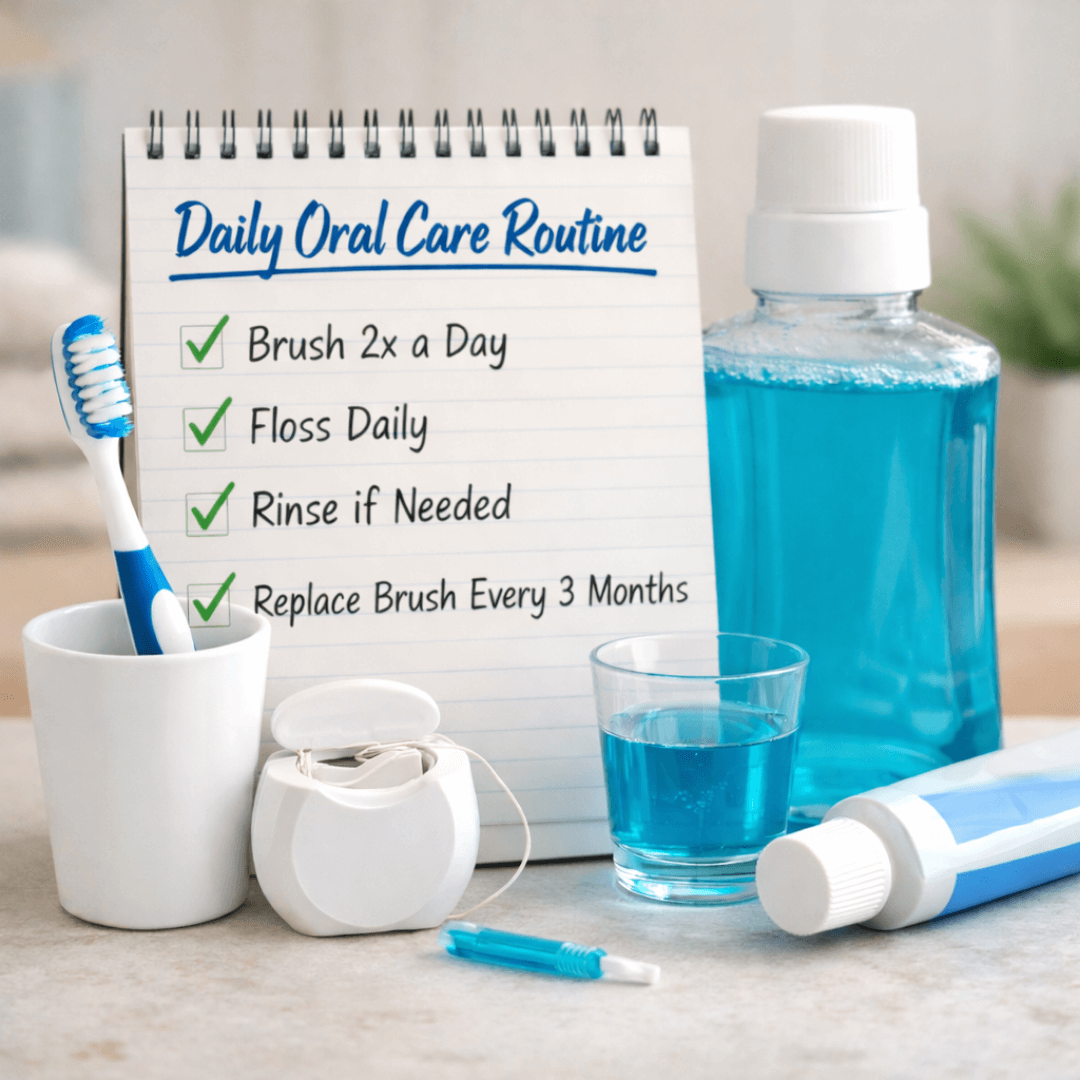
- Oil pulling is not a substitute for brushing and flossing
- No scientific evidence that detoxing can reverse cavities
Conclusion: Should You Try a Dental Detox?
While some elements of dental detoxing (like oil pulling and herbal mouth rinses) may have mild benefits, they should not replace standard oral hygiene practices such as brushing, flossing, and regular dental check-ups. More research is needed to validate the bold claims made by proponents of dental detoxes. If you’re interested in trying natural methods, consult your dentist first to ensure they align with your oral health needs.