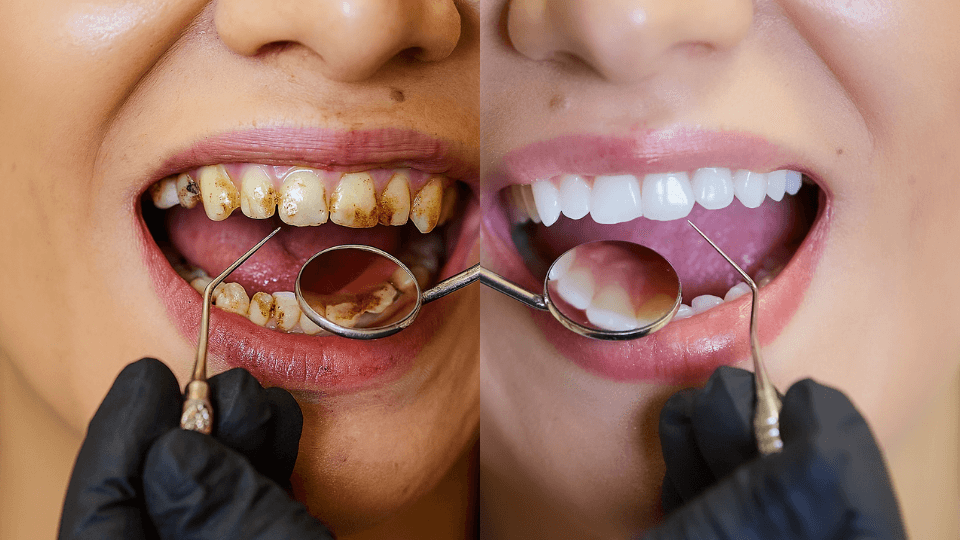
Maintaining a healthy smile takes more than brushing and flossing. Some common everyday habits — even ones that seem harmless — may be slowly damaging your teeth.
Below are five habits that dental experts say can negatively impact oral health, along with simple ways to make better choices.
1. Biting Your Nails
Nail-biting isn’t just hard on your hands. It can lead to chipped or cracked teeth, shift your tooth alignment, and even cause jaw strain. According to the American Dental Association (ADA), this habit places unnecessary pressure on your teeth and may also damage the jaw joint over time.
How to fix it: Keep your nails trimmed, try a bitter nail polish, or consider stress-reduction techniques if nail-biting is related to anxiety.
2. Using Your Teeth as Tools
Opening bottles, tearing into packaging, or holding items with your teeth can result in fractures, enamel wear, and gum injury. The American Association of Endodontists warns that using teeth as tools often leads to long-term dental damage.
Healthier habit: Always reach for scissors, bottle openers, or the appropriate tool to avoid harming your teeth.
3. Snacking Frequently
Frequent snacking keeps your teeth under constant acid attack. Every time you eat, bacteria in your mouth produce acids that can wear down enamel and promote cavities. The ADA notes that this is especially true when snacking on sticky or sugary foods—even healthy ones like dried fruit.
Smart tip: Give your mouth a break between meals, rinse with water after snacking, and avoid grazing throughout the day.
4. Neglecting Tongue Cleaning
Your tongue harbors bacteria that contribute to bad breath, plaque buildup, and potential cavities. Research published in the National Library of Medicine shows that regularly cleaning the tongue reduces the overall bacterial load in the mouth.
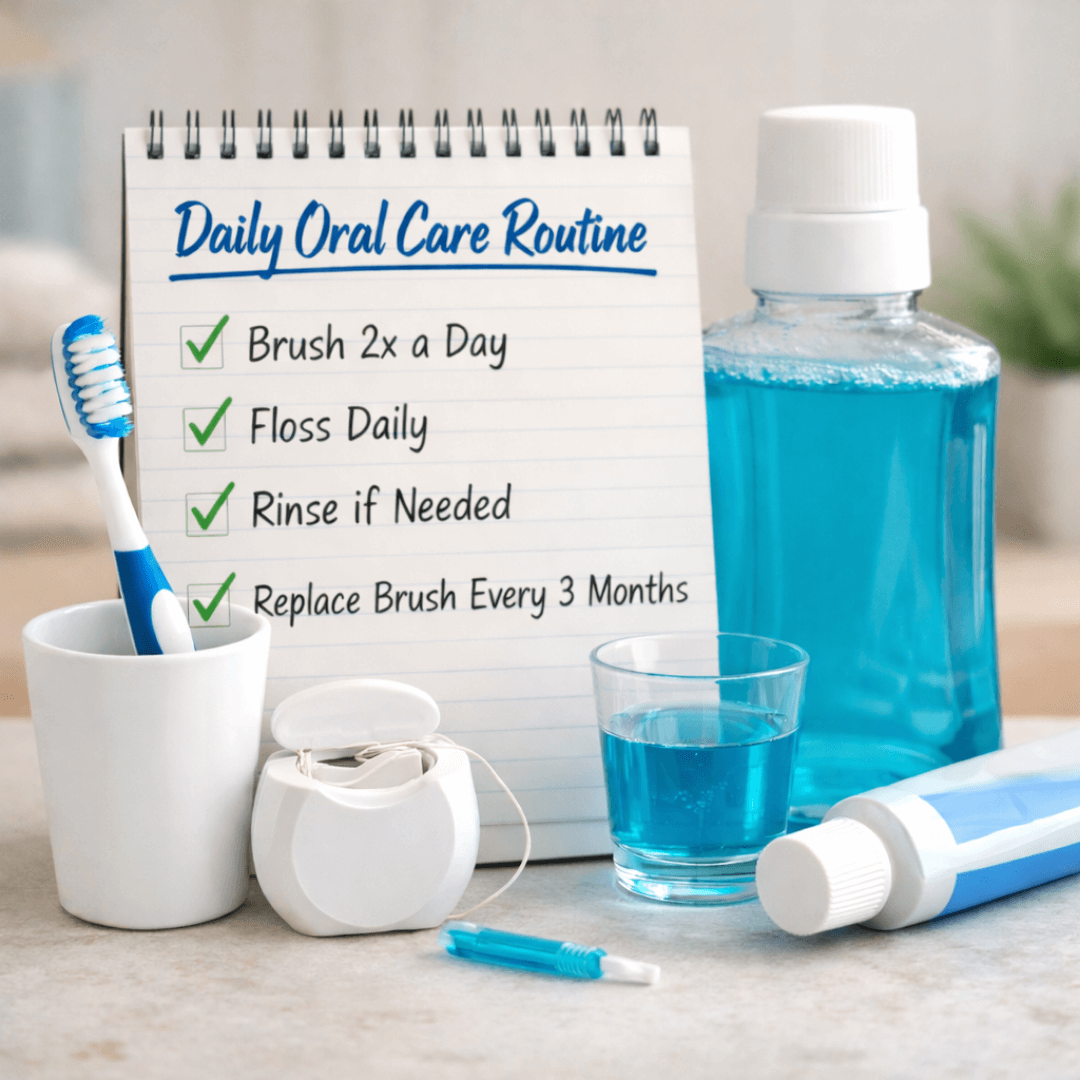
Easy addition: Use a tongue scraper or gently brush your tongue as part of your daily routine.
5. Skipping Dental Checkups
Regular dental visits are essential for catching problems early and maintaining a healthy mouth. According to the CDC, preventive checkups help detect cavities, gum disease, and other issues before they become more serious. They also allow for professional removal of plaque and tartar that can’t be brushed away at home.
What to do: Schedule cleanings every 6 months or as recommended by your dental provider.
A Healthier Smile Starts with Better Habits
These five habits may seem minor, but over time they can lead to significant oral health issues. Making small, consistent changes to your daily routine can protect your enamel, improve your breath, and support long-term dental health.
Taking care of your teeth isn’t complicated—it’s about staying informed and being proactive every day.
Would you like a matching call-to-action section or downloadable version for lead capture? I can help create one.