Gum recession and periodontal disease are two common oral health issues that can have serious consequences if left untreated. In this blog, we will take a closer look at these conditions, including their causes, symptoms and treatment options.
What is Gum Recession?
Gum recession is a condition in which the gum tissue around the teeth begins to pull back or wear away, exposing more of the tooth’s root. This can lead to sensitivity and increased risk of tooth decay, as the root of the tooth is not as well protected as the crown (the visible part of the tooth above the gum line). Gum recession can be caused by a variety of factors, including improper oral hygiene, genetics, and even certain medical conditions.
Symptoms of gum recession can include:
- Sensitivity to hot or cold foods and drinks
- Toothache or pain when biting or chewing
- Visible tooth roots
- Longer-appearing teeth
- Receding gum line
If left untreated, gum recession can lead to further tooth loss and even bone loss in the jaw.
What is Periodontal Disease?
Periodontal disease, also known as gum disease, is an infection of the tissues that support the teeth. It is caused by the build-up of plaque, a sticky film of bacteria that forms on the teeth and gums. If not removed, plaque can harden into tartar, which can only be removed by a dental professional.
There are two main stages of periodontal disease: gingivitis and periodontitis. Gingivitis is a mild form of gum disease that can often be reversed with proper oral hygiene. Periodontitis is a more advanced form of the disease that can lead to tooth loss if not treated.
Symptoms of periodontal disease can include:
- Red, swollen or bleeding gums
- Bad breath that does not go away
- Loose teeth
- A change in the way teeth fit together when biting
- Painful chewing
Treatment for Gum Recession and Periodontal Disease
Gum recession and periodontal disease can often be treated with a combination of professional dental care and at-home oral hygiene. Treatment options can include:
- Professional teeth cleanings: Your dentist or dental hygienist can remove plaque and tartar from your teeth and gums to help prevent further damage.
- Scaling and root planing: This procedure involves the removal of plaque and tartar from below the gum line, as well as smoothing the root surfaces to promote healing.
- Gum surgery: In cases of severe gum recession or periodontal disease, your dentist might recommend gum surgery to remove infected tissue and promote the regrowth of healthy gum tissue.
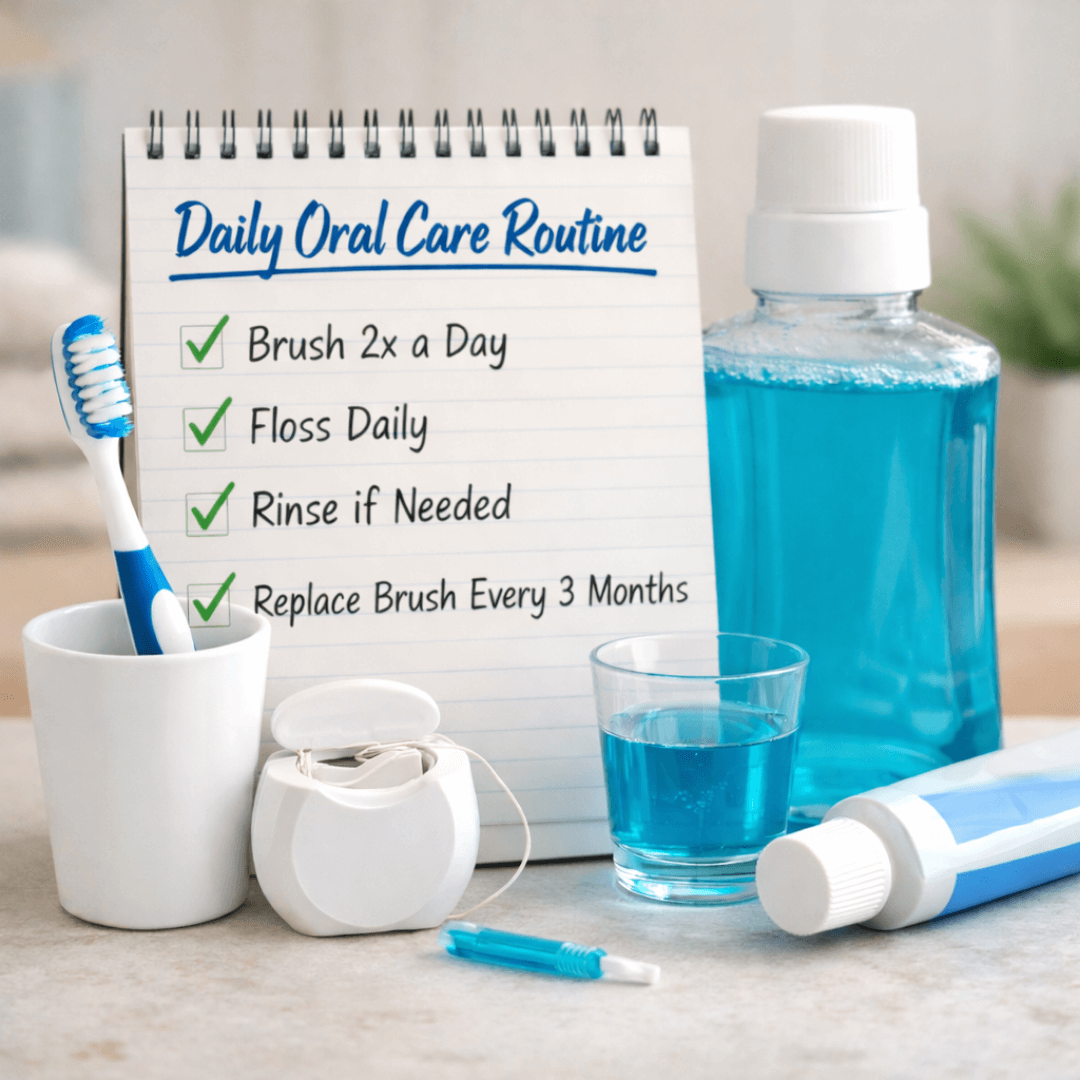
- At-home care: Proper oral hygiene at home, including brushing and flossing daily and using an antimicrobial mouthwash, can help prevent the build-up of plaque and tartar, and keep your gums healthy.
It is important to visit your dentist regularly to identify and treat gum recession and periodontal disease as soon as possible. Early diagnosis and treatment can help prevent further damage to your teeth and gums and improve your overall oral health.